
Hank Willis Thomas (born 1976) is one of the most influential contemporary American artists working today. Through photography, sculpture, installation, and public art, Thomas examines the ways images shape our understanding of race, identity, power, history, and consumer culture. His practice combines conceptual art with social engagement, inviting viewers to question the visual systems that influence everyday life.
Who is Hank Willis Thomas?
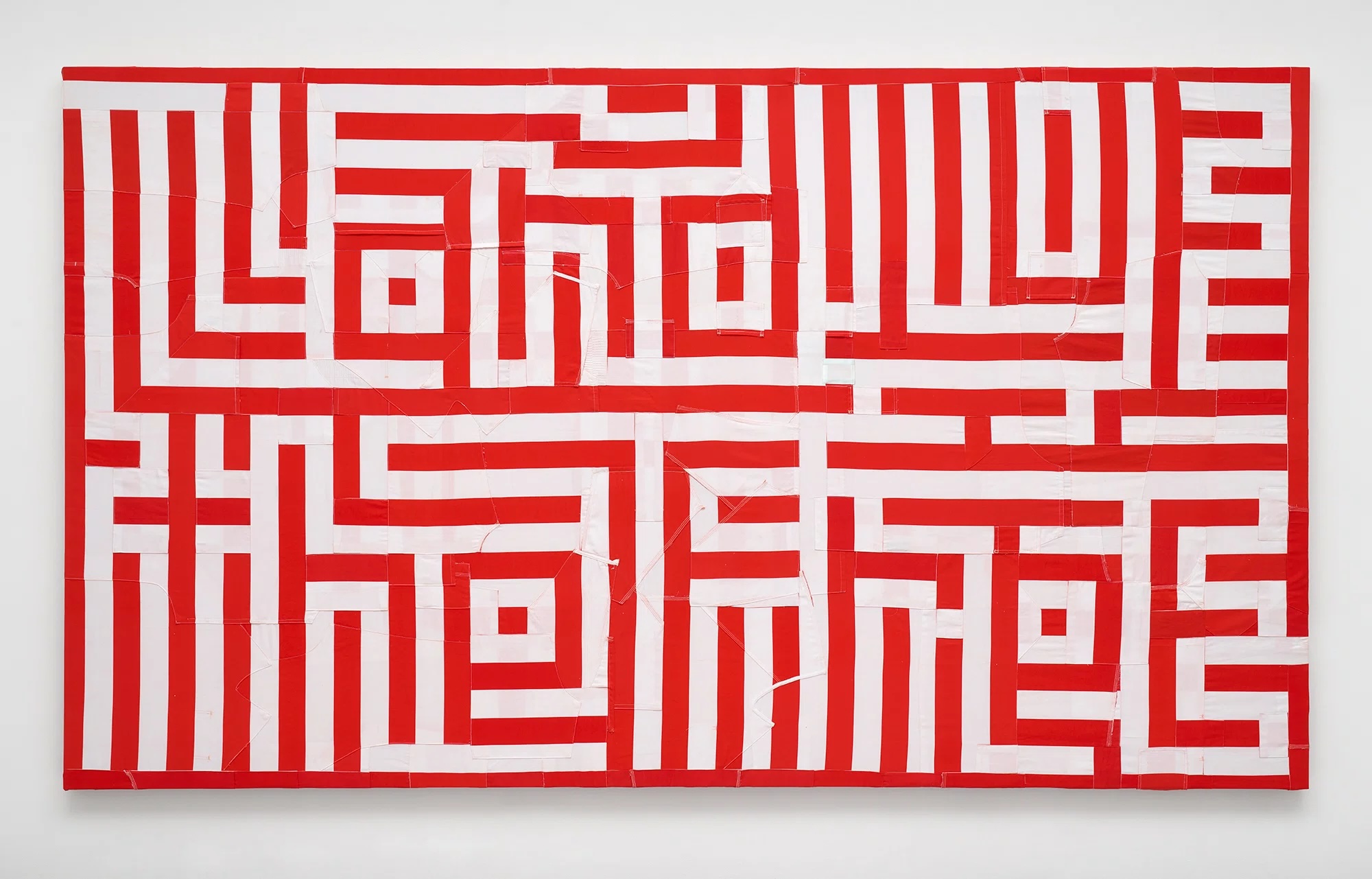
Born in Plainfield, New Jersey, Thomas studied photography before earning his MFA from the California College of the Arts. While photography remains central to his practice, his work extends across multiple media, including large-scale sculpture, neon, video, textiles, monuments, and public installations.
Rather than presenting straightforward narratives, Thomas encourages audiences to reconsider familiar images and symbols. His works often reveal hidden histories embedded within advertising, sports, popular culture, and political iconography.
Exploring Race, Representation, and Consumer Culture
One of Thomas’s earliest and most celebrated bodies of work is Unbranded, a series that removes logos and text from vintage advertisements. By stripping away branding, the artist exposes the racial stereotypes, gender roles, and commercial narratives that advertising has historically reinforced. The series demonstrates how visual culture influences identity, often without viewers consciously recognizing it.
Advertising remains a recurring subject throughout his career. Thomas appropriates familiar commercial aesthetics, transforming them into critical reflections on capitalism, commodification, and the construction of social values.
Photography Beyond Documentation
Although trained as a photographer, Thomas treats photography less as documentation and more as a conceptual tool. His recent retroreflective works require viewers to change their position—or even use a camera flash—to reveal hidden images beneath seemingly abstract compositions. These layered works challenge the idea that history is fixed, suggesting instead that perspective determines what we are able to see.
This interest in perception aligns Thomas with artists who use visual experience itself as a subject, asking viewers to become active participants rather than passive observers.
Public Art and Collective Memory
Public space plays a central role in Thomas’s practice. His sculptures and monuments often address questions of justice, freedom, and collective memory, creating spaces where historical narratives can be reconsidered.
Recent projects include The Embrace in Boston, commemorating Martin Luther King Jr. and Coretta Scott King, and Strike, installed at the Freedom Monument Sculpture Park in Montgomery, Alabama. Rather than depicting historical figures conventionally, these works emphasize gestures of solidarity, resistance, and human connection.
For Thomas, monuments should not simply celebrate the past—they should encourage dialogue about the present.
Art as a Platform for Dialogue
Thomas is also co-founder of For Freedoms, an artist-led initiative inspired by Franklin D. Roosevelt’s “Four Freedoms.” The organization brings together artists, educators, and communities through exhibitions, billboards, public conversations, and civic engagement projects designed to encourage democratic participation.
This collaborative dimension reflects Thomas’s belief that art can function as a catalyst for discussion rather than providing definitive answers.
International Recognition
Thomas’s work has been exhibited at many of the world’s leading museums and institutions, including:
- Museum of Modern Art (MoMA), New York
- Whitney Museum of American Art
- Brooklyn Museum
- Solomon R. Guggenheim Museum
- International Center of Photography
- Smithsonian museums
- National Museum of African American History and Culture
His works are held in major public collections worldwide and have appeared in numerous international biennials and public commissions.
Why Hank Willis Thomas Matters
Hank Willis Thomas occupies a distinctive position within contemporary art by combining conceptual rigor with accessible visual language. Rather than offering direct political statements, his work encourages viewers to examine the images that shape cultural memory and personal identity.
Through appropriation, photography, sculpture, and public monuments, Thomas demonstrates how visual culture influences our understanding of history, race, and power. His practice reminds us that images are never neutral—they reflect systems of belief, values, and social structures that deserve continual questioning.
As museums and collectors increasingly seek artists whose work addresses both historical narratives and contemporary social issues, Hank Willis Thomas has established himself as one of the leading voices in international contemporary art.
